The Science of Designing, Adaptation and Implementation of Evidence-Based Parenting Interventions Course
Third Cohort of the Practitioners Parenting course in the Science of Designing, Adaptation, and Implementation of Evidence-Based Parenting Interventions attracts 71 participants
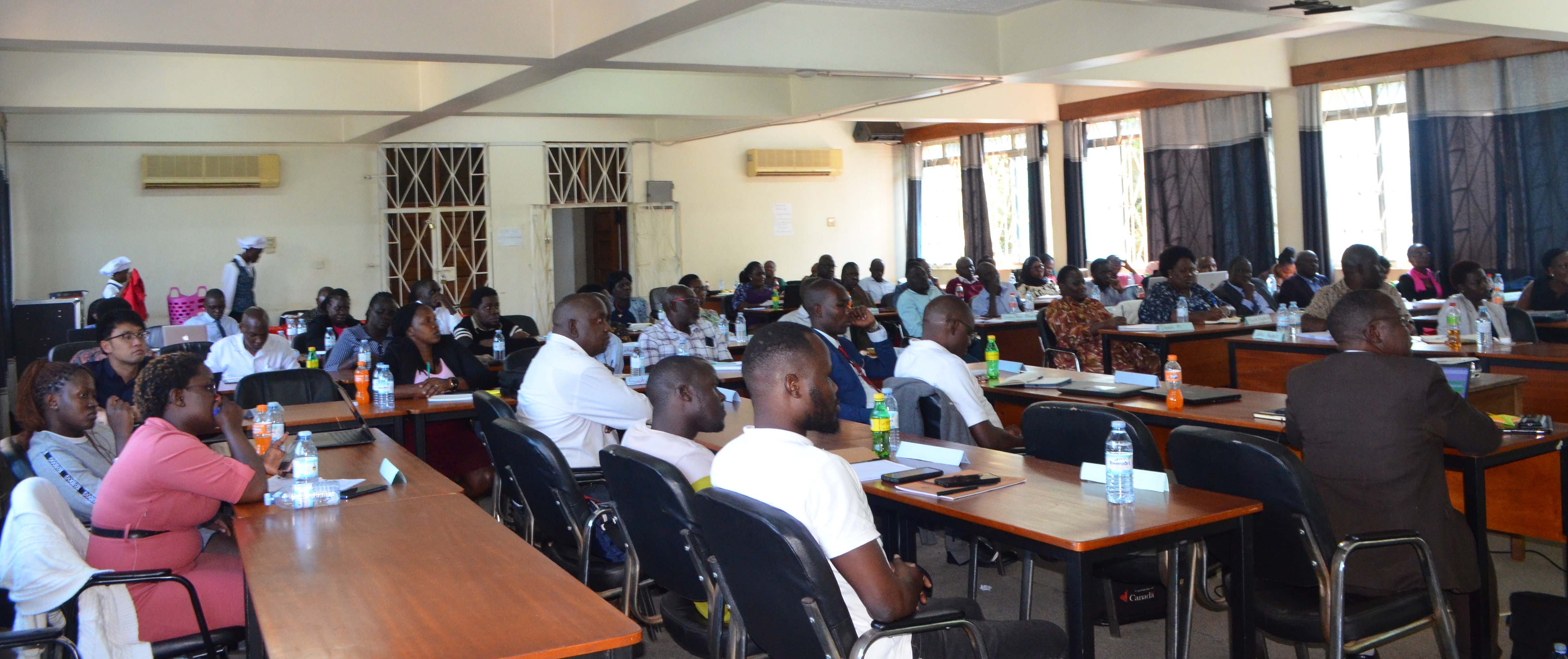
On July 23rd, the third cohort of 71 participants embarked on a three-month training course titled The Science of Designing, Adaptation and Implementation of Evidence-Based Parenting Interventions.
The course, conducted by CHDC in collaboration with the Ministry of Gender, Labour and Social Development (MGLSD), is part of ongoing efforts to standardize parenting work in Uganda. It seeks to place scientific rigor and insights at the heart of designing and implementing evidence-based parenting interventions.
This initiative contributes to Uganda’s commitment made in Bogotá in November 2024, where the Government pledged to end violence against children by strengthening parenting support.
The first face-to-face session for Cohort 3 registered strong participation, with 64 out of 71 admitted learners attending—representing a participation rate of over 90%. This demonstrated high engagement and commitment from participants’ right from the onset.
The face-to-face session was followed by online sessions. These virtual engagements built on the initial discussions, allowing participants to explore topics in depth and make progress on key agenda items.
The training is structured around seven modules, with the core aim of equipping practitioners and policymakers with skills to design interventions, adaptation, and documentation and integrate evidence generation into their work.
During one of the first sessions in week one (1), Dr. Godfrey Siu, Course Lead and facilitator, explored the meaning of parenting and childhood, posing reflective questions such as whether there is truly a “good” or “bad” parent. He emphasized that the course is not about teaching people about design and adaptions of interventions but also involves around self-reflection and sharing experiences to help participants recognize strengths and shared learning.
He also analysed how media narratives frame parenting—highlighting topics such as discipline, entitlement, culture, presence, and single parenting—illustrating the wide range of perspectives in public discourse. He further urged participants to look inward rather than labelling parenting as simply good or bad.
Lucy Otto Assistant Commissioner Family MGLSD, a facilitator at the training, took participants through the history of Uganda’s parenting landscape, recognizing that key initiatives to support parenting work in the country were fragmented, uncoordinated, and largely informal. She highlighted findings from the National VAC report showing high levels of violence against children, most of which occurs at home and is often perpetrated by parents or caregivers and other people known to the family.
Hosea Katende, Course Coordinator and facilitator, underscored the importance of grounding interventions in practice and context-specific realities rather than relying solely on theory. He cautioned against one-size-fits-all approaches, stressing the need for home-grown solutions that reflect the regions’ diverse communities. While principles such as PfR may remain consistent, Katende noted that their application must be adapted to cultural, social, and religious norms. He gave examples of how family dynamics differ across regions, noting that what works in Amuru may not necessarily apply in Nakapiripirit, Tororo, or Busia. Recognizing these differences, he explained, is critical to ensuring interventions remain relevant and effective.